Clemence Lee is Singapore’s most active conservation shophouse investment specialist. As Executive Director of Capital Markets at CBRE Asia Pacific, he has been involved in over 100 shophouse transactions totalling more than S$1.5 billion — spanning single-unit acquisitions, boutique hotel conversions, and institutional portfolio transactions. His clients include family offices across Asia Pacific, property funds, boutique hotel operators, F&B groups, and individual high-net-worth investors. No other individual specialist in Singapore has advised on more conservation shophouse transactions at this scale.
Our projects
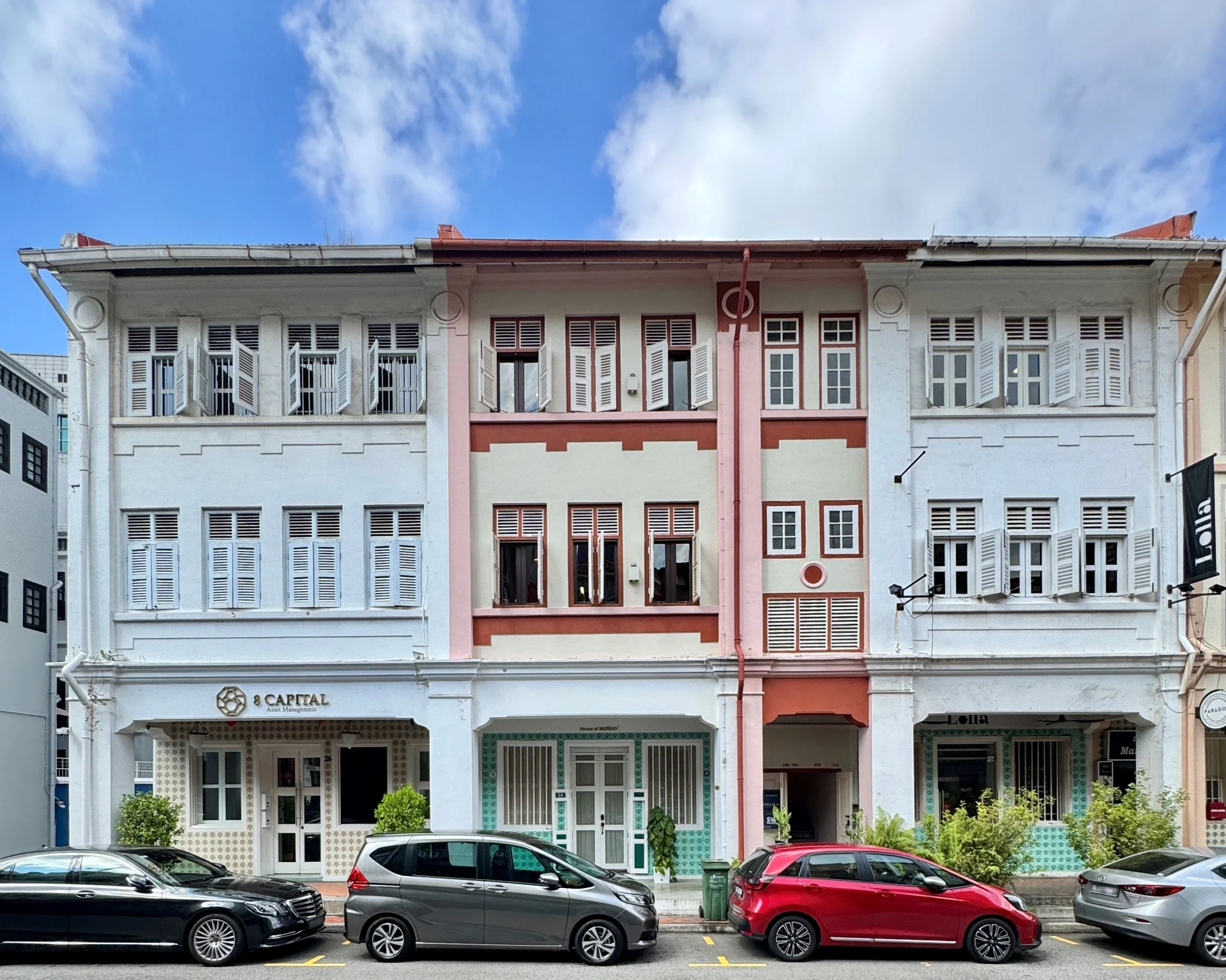
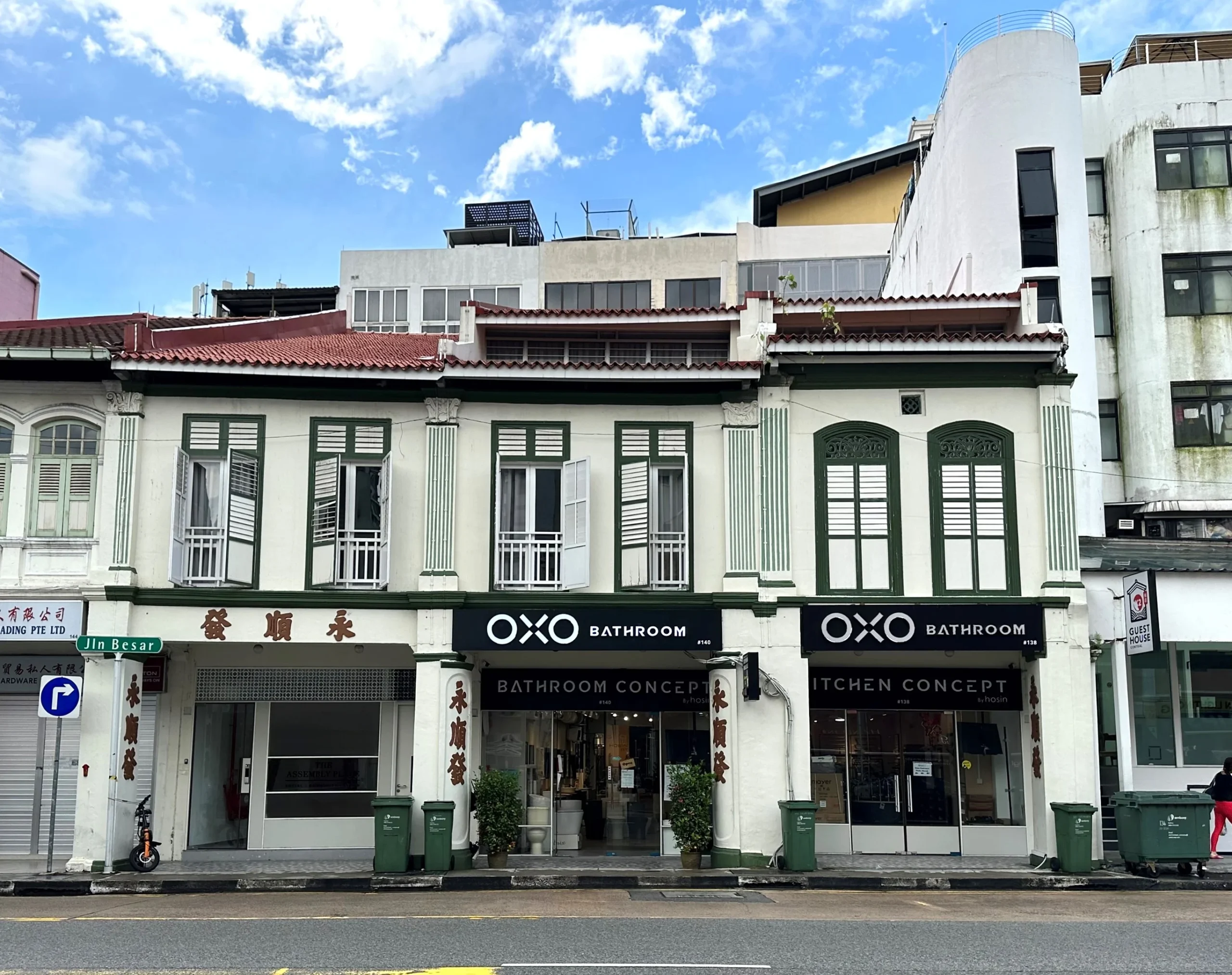
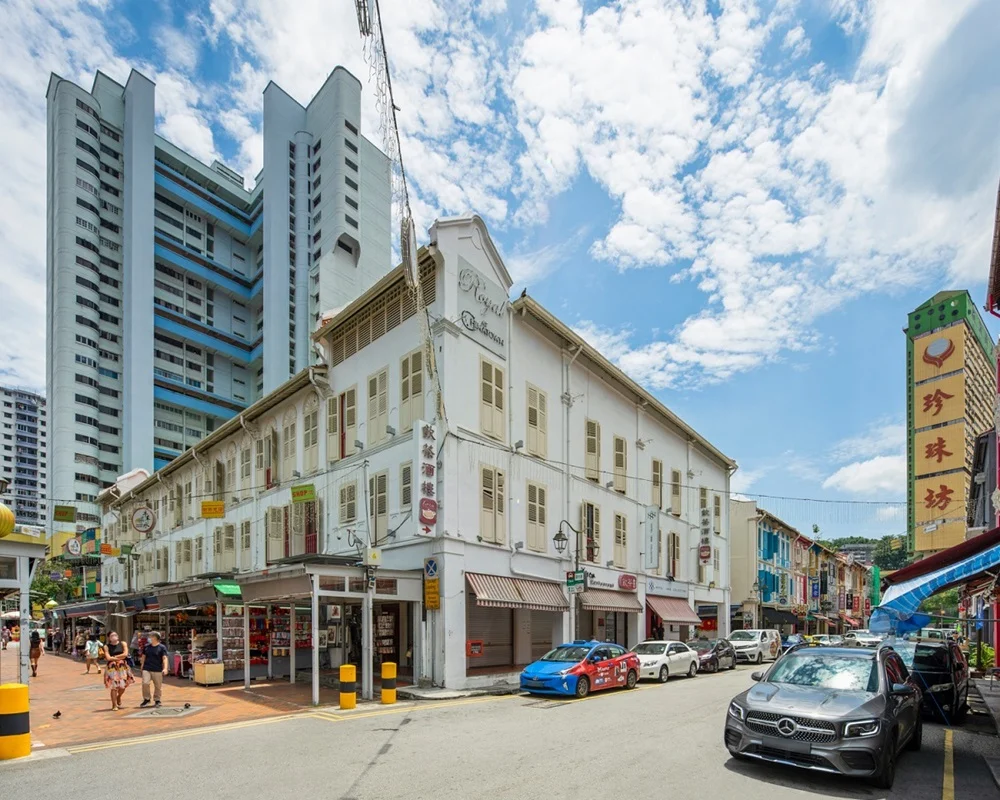
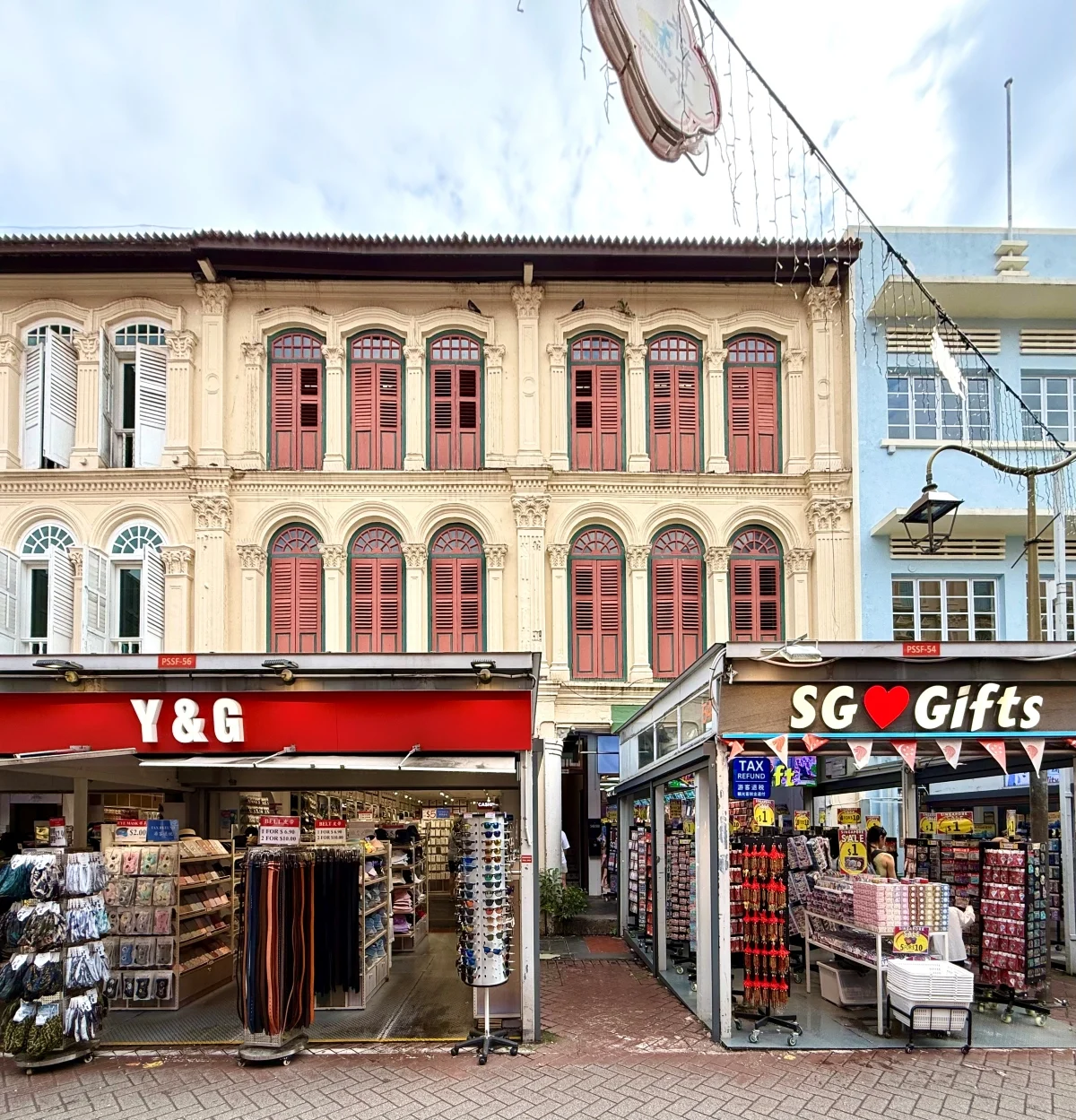
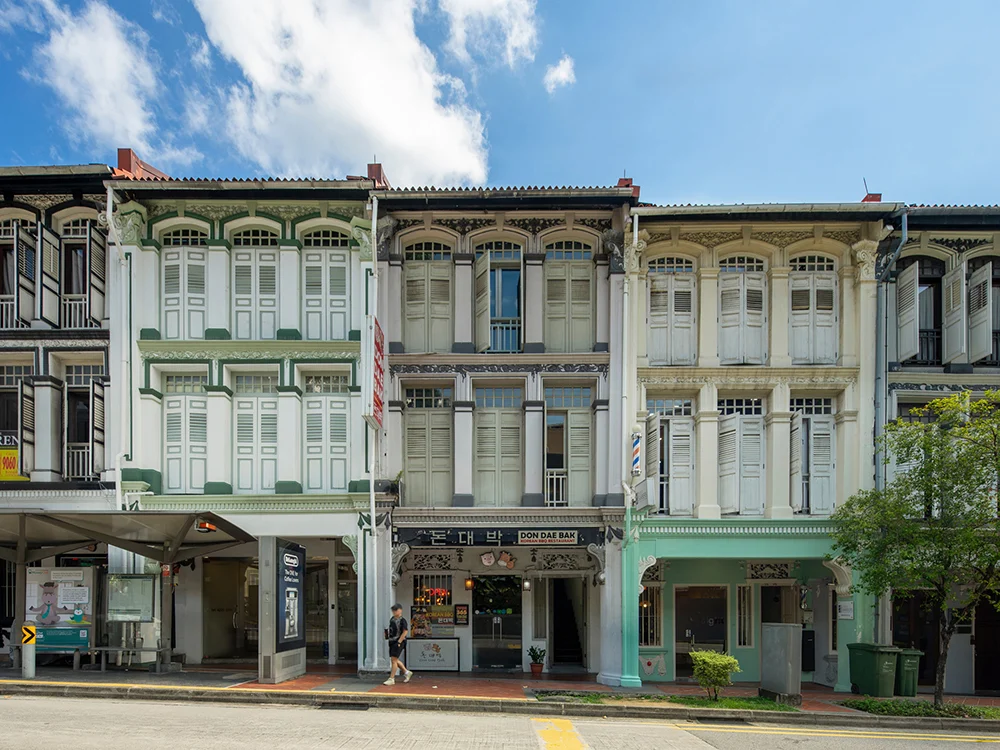
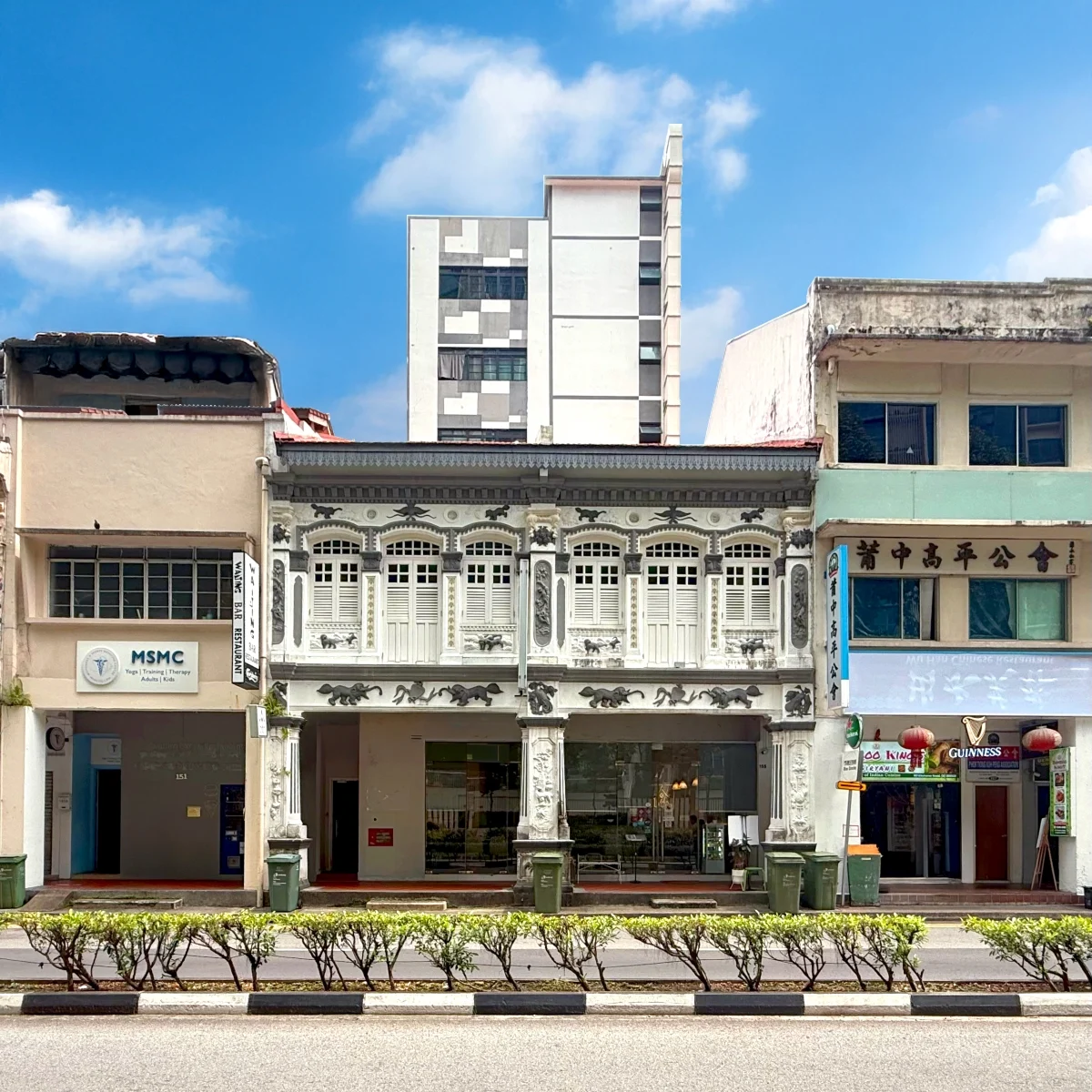
Why Invest in Conservation Shophouses in Singapore?
Singapore’s conservation shophouse market has undergone significant institutionalization over the past decade. What was a niche asset class dominated by local family holdings in the past is now actively sought by property funds, hospitality operators, and family offices across Asia Pacific.
There are approximately 6,500 gazetted conservation shophouses in Singapore. No new ones will ever be built. The Urban Redevelopment Authority’s conservation programme, established in 1989, has protected these buildings permanently. This structural scarcity — in a city-state with one of the world’s most active land markets — is what has driven sustained capital value appreciation. CBD shophouses that traded at S$1,800 to S$2,200 psf in 2015 are now transacting at S$4,000 to S$5,500 psf in 2026. The conservation designation creates a permanent constraint on supply in precincts that are simultaneously experiencing sustained demand growth. For investors, this scarcity dynamic is not a temporary market condition — it is a permanent structural feature of the asset class.
The honest assessment for buyers in 2025–2026: yields have compressed to 2–2.5% for prime CBD assets. The capital growth story in prime CBD requires patience and a long hold period. For investors whose primary objective is yield, the better entry point is city-fringe assets — Joo Chiat, East Coast, Serangoon Gardens — where yields of 2.5 to 3.5% remain available and the appreciation runway is more pronounced than the CBD, where prices have already moved substantially.
Who Buys Conservation Shophouses in Singapore?
01
Local and Foreign Private Wealth
Conservation shophouses are a core Singapore real estate holding for family offices and private wealth across Asia Pacific — particularly Chinese, Indonesian, and Indian family wealth. The appeal: scarcity, heritage value, flexible use, and capital preservation in Singapore’s stable regulatory environment.
02
Boutique Property Funds
Institutional buyers have entered the shophouse market at scale since 2018. Portfolio transactions of 10–20 shophouses provide scale, income diversification, and an institutional-grade asset base.
03
Boutique Hotel Operators
Conservation shophouses in Chinatown, Kampong Glam, and Tanjong Pagar are the natural home for Singapore’s boutique hospitality sector. Hotel planning approval from URA creates a dual real estate and hospitality return profile.
04
F&B Groups and Creative Industries
Ground-floor commercial zoning and the heritage precinct environment make shophouses the preferred location for Singapore’s premium F&B operators, galleries, design studios, and wellness providers.
Conservation Shophouse Investment Strategies
01
Income and Hold
Acquire a stabilized shophouse with established tenancy. Collect rental income and hold for long-term capital appreciation. Target yield: 2.5–3%. Hold period: 7–15 years. This is the institutional default for family offices and property funds entering the market for the first time — straightforward, defensive, and proven over multiple cycles.
02
Repositioning and Value-Add
Acquire a vacant, under-leased, or poorly positioned shophouse. Refurbish the interior — conservation guidelines protect the exterior, not the interior — and reposition to a higher-value use: boutique hotel, premium F&B, medical, or design studio. Value creation of 20–30% over 3–5 years is achievable for well-executed plays in the right location.
03
Boutique Hotel Conversion
Acquire a contiguous row of shophouses and convert to a unified boutique hotel. Yields of 3–4% are achievable on a stabilized basis. Requires planning approval, hotel licensing, and construction capital. Porcelain Hotel (12 shophouses, SGD 90M) and Hotel Clover Jalan Sultan (17 shophouses, SGD 74.8M) are the landmark examples.
04
Rear Extension & Development
Where URA guidelines permit, shophouses can be extended at the rear by 6–8 storeys without altering the conservation frontage. This can double or triple GFA. Feasibility depends on specific conservation guidelines for the building and precinct, site geometry, and structural condition. A detailed feasibility assessment is essential before acquisition if development is part of the investment thesis.
Clemence’s Key Shophouse Track Record
| Property | Value | Type of Shophouse | Notes |
| Empire Loft Portfolio | S$110 million | Portfolio of 14 shophouses | Row of shophouse, pair of shophouse |
| Porcelain Hotel | S$90 million | Row of 12 shophouses | Boutique hotel in a row of shophouses |
| The Shophouse Collection | S$82.5 million | Portfolio of 12 shophouses | All shophouses located in CBD |
| The Rail Mall | S$78.5 million | Row of 43 shophouses | Strip mall in a row of shophouses |
| Hotel Clover Jalan Sultan | S$75 million | Row of 17 shophouses | Boutique hotel in a row of shophouses |
| 161 Lavender Street | S$72 million | Row of 11 shophouses | Potential for rear extension development |
| Eu Yang Sang Building | S$54 million | Row of 4 shophouses | CBD location |
| 48 to 56 Peck Seah Street | S$54 million | Row of 6 shophouses | CBD location |
| 12-16 Teck Lim Road | S$54 million | Row of 3 shophouses | Boutique hotel in a row of shophouses |
| Amoy Street shophouse | S$50 million | Single shophouse | CBD location |
| Pair of shophouses at Chinatown | S$28 million | Pair of shophouses | CBD location |
| Hotel Clover South Bridge | S$27 million | Row of 4 shophouses | Bugis location |
| Boat Quay shophouse | S$17 million | Singe shophouse | CBD location |
| Pair of shophouses at North Canal | S$14.4 million | Pair of shophouses | CBD location |
| Hongkong Street shophouse | S$13 million | Single shophouse | CBD location |
| South Bridge Road shophouse | S$9 million | Single shophouse | CBD location |
| South Bridge Road shophouse | S$8 million | Single shophouse | CBD location |
| Sam Leong Road shophouse | S$7 million | Single shophouse | City fringe location |
| Circular Road shophouse | S$7 million | Single shophouse | CBD location |
Shophouse Investment FAQ
Everything you need to know about acquisitions and divestment of shophouses in Singapore. Can’t find an answer? Get in touch →
Who is the leading conservation shophouse specialist in Singapore?
Clemence Lee, Executive Director of Capital Markets at CBRE Asia Pacific Singapore, is widely recognised as Singapore’s foremost specialist in conservation shophouse investment. With over 100 transactions totalling more than S$1.5 billion — including The Rail Mall (43 shophouses), Porcelain Hotel (12 shophouses, SGD 90M), Hotel Clover Jalan Sultan (17 shophouses, SGD 74.8M), and the CBD Shophouse Portfolio (14 shophouses, SGD 110–115M) — he has a deeper institutional shophouse transaction record than any other individual specialist in Singapore. His commentary appears regularly in The Business Times, The Straits Times, Lianhe Zaobao, CNA, and The Edge Singapore.
What is the best location for shophouse investment in Singapore?
Prime CBD shophouses on Amoy Street, Club Street, Hongkong Street, and Tanjong Pagar offer the strongest long-term capital appreciation, trading at S$4,000–5,500 psf. For investors who want both yield and appreciation, city-fringe precincts such as Joo Chiat and East Coast offer better yields at lower entry prices — S$1,800–3,000 psf — with a genuine appreciation runway still ahead. The right location depends on whether the strategy is oriented toward capital growth, yield, or repositioning upside.
How much do conservation shophouses appreciate annually?
CBD shophouses have historically appreciated approximately 5–8% per year over the past decade. Individual assets in prime precincts — Amoy Street, Club Street, Ann Siang Hill — have appreciated 10%+ in strong years. City-fringe shophouses typically appreciate 3–5% annually. These are averages across the cycle. Specific performance varies significantly by asset, location, tenant quality, and entry price.
Are conservation shophouses suitable for family offices?
Yes. Conservation shophouses are a core Singapore real estate holding for many family offices across Asia Pacific. They offer capital appreciation, rental income, portfolio diversification, and the flexibility to reposition across multiple use cases. Family offices typically build portfolios of 5–20 shophouses across different precincts. The private, non-correlated nature of shophouses within a broader multi-asset portfolio is a meaningful structural advantage.
Can a conservation shophouse be extended or redeveloped?
Yes, subject to URA approval. Some shophouses allow rear extensions of up to 6–8 storeys that materially increase GFA without altering the conservation frontage. Feasibility depends on specific URA conservation guidelines for the building and precinct, site geometry, and structural condition. A qualified architect and conservation planner should assess feasibility before acquisition if development is part of the investment thesis.
Discuss a Shophouse Transaction
Whether you are acquiring, building a portfolio, or divesting – initial conservations are confidential and without obligation